
Exercise After 50: How to Stay Strong, Mobile and Confident
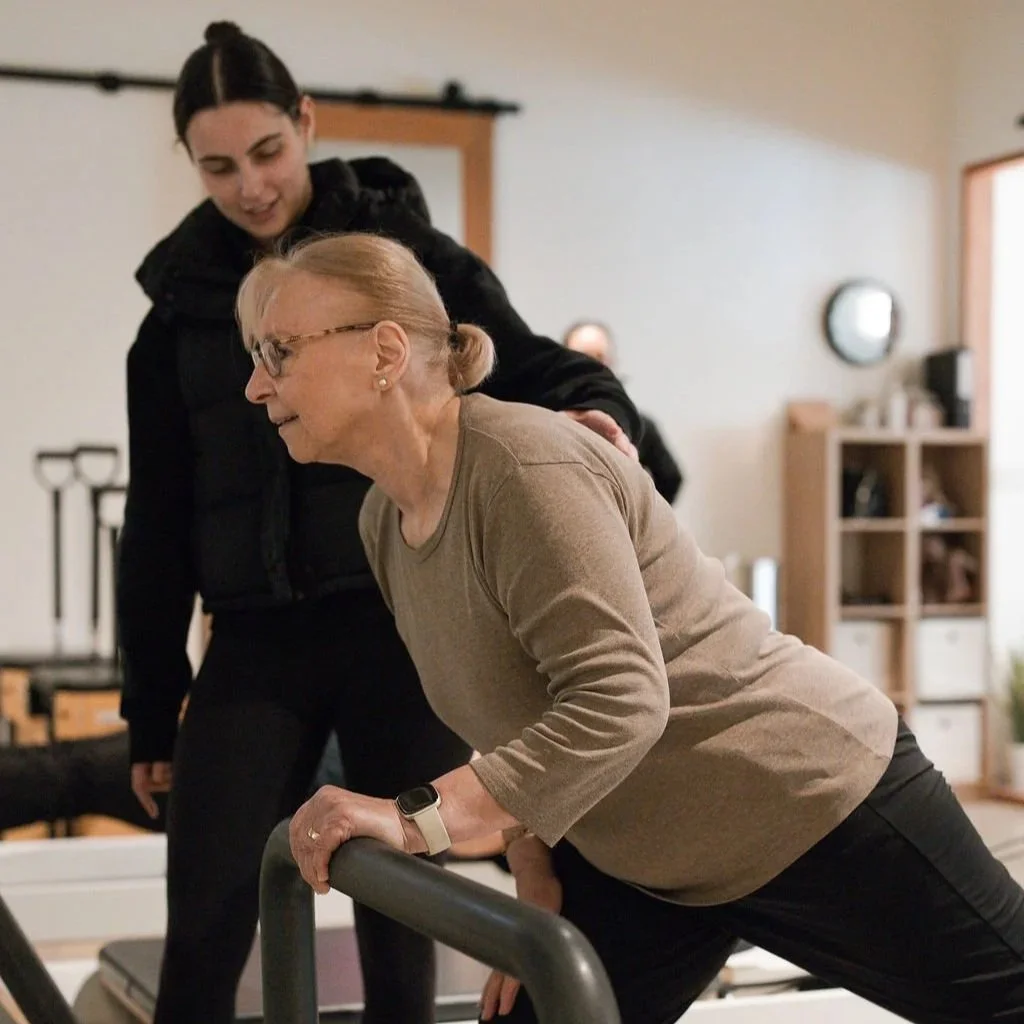
Exercise after 50 isn’t about slowing down or giving up the things you love. It’s about building the strength, mobility and confidence to keep doing them—whether that means travelling with friends, gardening, playing with the grandchildren, returning to a favourite sport or feeling confident saying yes to everyday plans.
Our bodies naturally change as we get older, but becoming weaker or less active isn’t inevitable. With the right type of exercise, you can continue building strength, improving balance and supporting your health at almost any age.
Why exercise matters after 50
Regular exercise supports more than general fitness. It helps protect the physical abilities that allow us to remain active, capable and independent.
Maintain strength for everyday life
Muscle strength supports almost everything we do, from getting out of a chair and climbing stairs to carrying shopping and enjoying recreational activities. Strength training can help maintain muscle mass, support your joints and make everyday movement feel easier.
Support healthy bones
Resistance training and appropriate weight-bearing exercise can help maintain bone strength, while balance training can reduce the risk of falls. If you have osteoporosis or a history of fractures, a physiotherapist can help tailor exercise safely.
Learn more about exercise and bone healthImprove balance and confidence
Balance isn’t something you either have or don’t have—it’s a skill that can be trained. Exercises that develop lower-body strength, coordination and reaction time can help you feel steadier on stairs, uneven ground and during everyday activities.
Manage joint pain and stiffness
Appropriately prescribed exercise can improve joint movement, strengthen the muscles supporting your joints and help manage osteoarthritis symptoms. The right type and amount will be different for everyone.
Read more about exercise and arthritisSupport your overall wellbeing
Regular movement can also benefit heart health, sleep, energy and mood. Moving alongside other people can add routine, encouragement and connection too—helping exercise become something you enjoy rather than another job on the list.
What kind of exercise is best after 50?
There is no single “best” exercise for everyone. A well-rounded routine will usually include a combination of the following types of movement.
Strength
Maintain muscle, support your joints and make everyday tasks easier.
Balance
Develop coordination, stability and confidence on your feet.
Weight-bearing
Support bone health with appropriately selected loading.
Aerobic
Walking, cycling or swimming can support heart and lung health.
Mobility
Maintain comfortable, useful movement through your joints.
Australian movement guidelines recommend being active on most days, with muscle-strengthening exercise on at least two days each week and activities targeting balance, mobility and coordination on at least three days.
However, this is a goal—not necessarily your starting point. If you haven’t exercised for some time, beginning with a manageable amount and building gradually is often the safest and most sustainable approach.
View the Australian movement guidelinesWhat if I have pain or haven’t exercised in years?
If pain, injury, surgery, osteoporosis, osteoarthritis or another health condition is making you unsure about exercise, a physiotherapy assessment can give you a clear and achievable starting point.
A physiotherapist can assess your strength, mobility, balance and movement, then help you understand which exercises are appropriate, what may need to be modified and how to progress safely as you become stronger.
The aim isn’t to make exercise overly cautious. It’s to give you the confidence to challenge your body at the right level.
How Cadence Physio & Pilates can help
At Cadence, we want you to feel supported—not judged or rushed. We take the time to understand your body, health history, lifestyle and goals, then help you find an exercise pathway that feels right for you.
Physiotherapy
Our physiotherapists will listen to what you want to get back to, assess any pain, stiffness, balance concerns or changes in strength and mobility, and develop a personalised plan to help you move more comfortably and confidently.
Clinical Exercise with Cadence Refine
Cadence Refine is our physio-led Clinical Exercise program, sometimes referred to as Clinical Pilates. Using Pilates equipment, functional strength exercises and targeted movement, your physiotherapist creates an individual program based on your assessment and goals.
Sessions are available one-on-one or in a closely supervised small-group environment. Everyone follows their own program, while still enjoying the encouragement, familiar faces and energy that come from moving alongside others. Cadence Refine may be particularly helpful if you are:
- Managing osteoarthritis, osteoporosis or persistent pain
- Recovering from injury or surgery
- Returning to exercise after time away
- Experiencing changes in balance, strength or mobility
- Looking for more personalised exercise support
Connection is part of feeling well
Cadence is more than a place to complete a set of exercises. It’s the familiar faces, conversations between movements, shared small wins and the comfort of knowing there are people genuinely in your corner.
For many of our clients, that social side helps turn exercise into something they look forward to. Whether you’re seeing a physiotherapist one-on-one, joining a Cadence Refine session or progressing into our wider Pilates community, we want you to feel known, encouraged and at home here.
It’s never too late to start
You don’t need to exercise like you did at 30—and you don’t need to wait until you feel “fit enough” to begin.
Start where you are, with movement that is right for your body now. With the right guidance and a little consistency, you can continue becoming stronger, steadier and more confident at any age.
Ready to feel stronger?
Not sure where to begin? Come and have a conversation with one of our physiotherapists. We’ll meet you where you are and help you find the right next step.